Chess: The Complete Guide
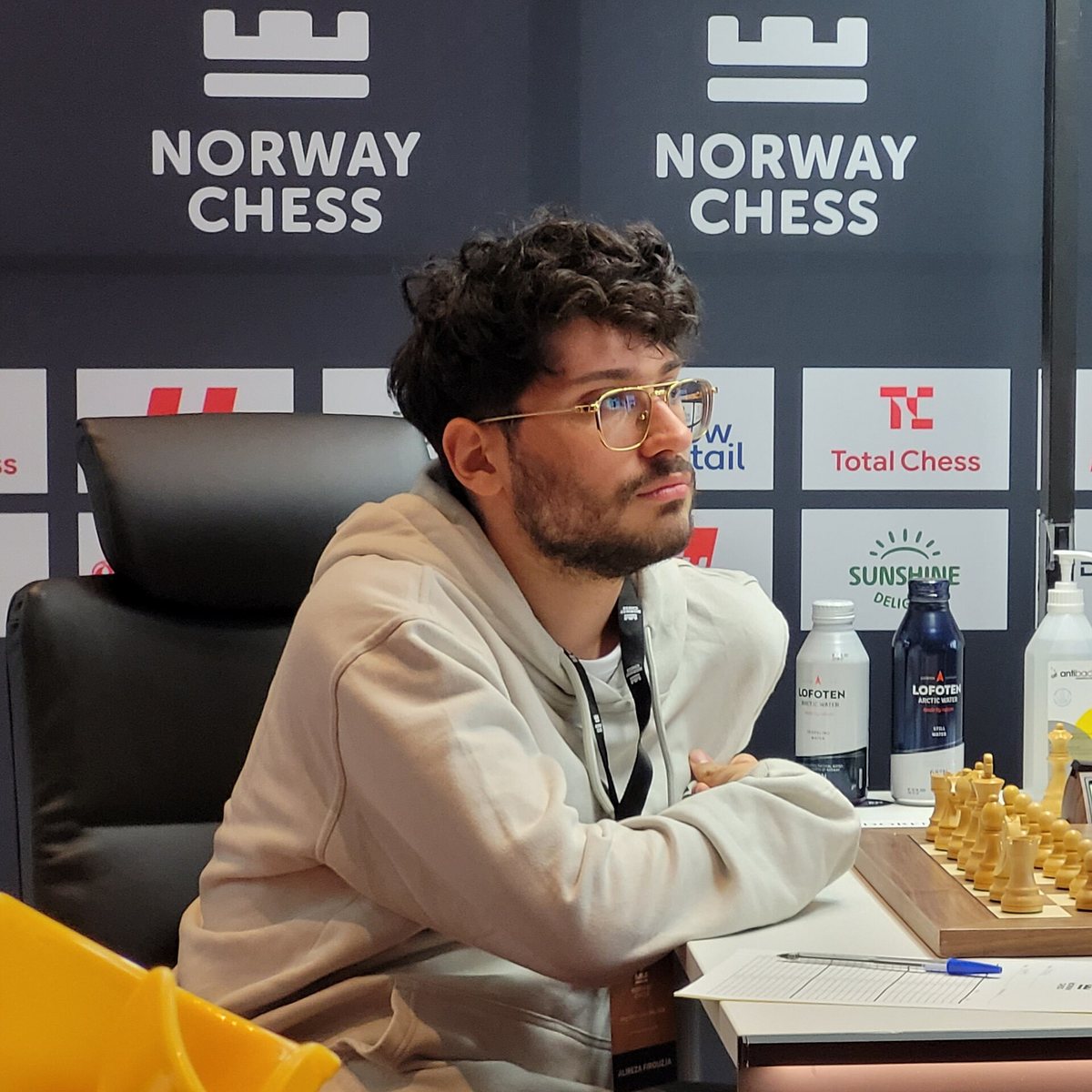
Chess sits in SportLink's encyclopedia as a non-olympic sport. A strategic mind game played between two players. This page focuses on how Chess evolved, who governs it, how matches or routines are scored, what gear you need, which nations and athletes shaped its modern era, and how a beginner in Egypt or the wider Middle East can take a first practical step.
Origins and historical path
Historical accounts place the early development of Chess in 6th-century India (chaturanga), evolving through Persia and Europe into its modern form. Chess descends from the Indian game chaturanga around the 6th century, spreading through Persia (where it became 'shatranj') and into Europe by the Middle Ages, where the queen and bishop gained their modern powers around 1475. FIDE was founded in Paris in 1924, and the Cold War-era rivalry between Soviet and American grandmasters — especially the 1972 Fischer–Spassky match — brought global attention to the game. Those roots still show up in today's coaching language, competition formats, and the way clubs introduce newcomers to Chess.
As Chess spread beyond its birthplace, national associations standardized safety rules and age categories. That institutional layer is why a session in Cairo can follow the same core principles as a session in Europe or East Asia, even when facilities differ.
Governing body and Olympic status
The sport is overseen internationally by FIDE — Fédération Internationale des Échecs (founded 1924). Olympic and multi-sport status for Chess: not an Olympic sport; IOC-recognized since 1999. National federations affiliated to FIDE — Fédération Internationale des Échecs (founded 1924) run rankings, coaching licenses, and domestic calendars that feed continental events.
For athletes and parents evaluating a club, affiliation with the national body linked to FIDE — Fédération Internationale des Échecs (founded 1924) is a practical quality signal: it usually means certified coaches, insurance norms, and a pathway into official Chess competitions rather than informal games only.
How Chess is played and judged
Two players alternate moving 16 pieces each across a 64-square board, aiming to checkmate the opponent's king by threatening its capture with no legal escape. Each piece type moves differently, games are timed with chess clocks in competition, and matches can end in checkmate, resignation, draw or timeout. Understanding these constraints early prevents the most common beginner frustration: training hard while practicing habits that referees or judges will later score against.
Competitive Chess rewards consistency under pressure. Recreational sessions can be looser, but if your goal is league play or graded exams, ask coaches to explain the scoring model used by FIDE — Fédération Internationale des Échecs (founded 1924)-aligned events in your country.
Equipment used in Chess
Entry-level participation in Chess usually revolves around: chess board and pieces and chess clock. Buying the cheapest version of every item is rarely wise; prioritize safety-critical pieces first, then upgrade once weekly training is established.
- chess board and pieces
- chess clock
Clubs in Egypt and the Gulf often provide shared mats, balls, or boats for beginners. Confirm what is included in membership before you invest privately in Chess equipment.
Athletes, coaches, and national strength
Modern reference points in Chess include athletes such as Garry Kasparov, Magnus Carlsen, Bobby Fischer, and Judit Polgár. On the coaching side, names frequently cited in high-performance literature include specialist high-performance staff. Studying their competition footage — pacing, recovery, and decision-making — is more useful for intermediates than copying highlight-reel moments alone.
Countries with sustained depth in Chess include Russia, United States, India, Norway, and China. Their federations typically combine school programs, club leagues, and national talent camps. Smaller federations can still produce outliers, but the weekly competitive density in those leading nations explains much of the medal distribution.
Major championships and calendar landmarks
Beyond domestic leagues, the events that define elite Chess include World Chess Championship and Chess Olympiad. World and continental meets under FIDE — Fédération Internationale des Échecs (founded 1924) set technical trends that cascade into club coaching within one or two seasons.
Followers in the Arab region can track qualification windows through national federation announcements. Even if you are not elite, watching how Chess is structured at championship level clarifies what 'good basics' look like in local academies.
Physical and mental demands unique to Chess
Because Chess is classified among ألعاب غير أولمبية, its energy system and skill ceiling differ from neighbouring sports. Sessions built only from generic fitness circuits miss the decision speed and sport-specific coordination that competitive Chess requires under the rules enforced by FIDE — Fédération Internationale des Échecs (founded 1924).
Mentally, Chess asks athletes to tolerate imperfect performances in public. Clubs that review video calmly after sessions — instead of only celebrating wins — tend to retain beginners longer and reduce dropout after the first difficult month.
Beginner mistakes specific to Chess
Newcomers to Chess often skip the progressive skill ladder defined by FIDE — Fédération Internationale des Échecs (founded 1924) coaching pathways and jump straight into match play. That pattern raises injury risk and freezes bad technique. Another frequent error is buying a full set of chess board and pieces and chess clock before confirming class schedules and coach credentials.
Parents sometimes compare Chess progress only to the medal nations (Russia, United States, India, Norway, and China). A fairer local benchmark is attendance consistency, coach feedback, and safe participation in age-appropriate events — not early international results.
How to start Chess in Egypt and the region
Search SportLink for coaches, clubs, and venues tagged with Chess. Filter by city, read verification status, and ask for a trial session that covers warm-up, basic drills drawn from FIDE — Fédération Internationale des Échecs (founded 1924) curricula, and a clear explanation of fees. Bring medical clearance if you have prior injuries.
After four to six weeks, reassess: Do you understand the core rules summarized above? Can you name the pieces of chess board and pieces and chess clock you actually used? If yes, consider a longer membership or a structured pathway toward the events under World Chess Championship and Chess Olympiad.
Where Chess fits on SportLink
SportLink's encyclopedia entry for Chess is meant to sit beside booking, jobs, and community tools — not replace a coach. Use this article to ask better questions in your first club visit, then continue with verified professionals who teach Chess weekly.
Chess rewards patience: the same historical thread that began in 6th-century India (chaturanga), evolving through Persia and Europe into its modern form still depends on athletes who show up, listen, and refine fundamentals. Start small, train safely, and let official pathways under FIDE — Fédération Internationale des Échecs (founded 1924) guide the next milestone.
دليل شامل عن الشطرنج
تُدرج الشطرنج ضمن موسوعة SportLink بوصفها من فئة «ألعاب غير أولمبية». لعبة استراتيجية ذهنية بين لاعبين. تركّز هذه الصفحة على نشأة الشطرنج، الجهة التي تديرها دولياً، طريقة التحكيم أو التسجيل، المعدات الضرورية، الدول والنجوم الذين شكّلوا المرحلة الحديثة، وكيف يبدأ المبتدئ في مصر أو المنطقة خطوة عملية أولى.
النشأة والمسار التاريخي
ترجع الجذور التاريخية لرياضة الشطرنج إلى الهند في القرن السادس الميلادي (تشاتورانغا)، وتطورت عبر بلاد فارس وأوروبا إلى صورتها الحديثة. يعود الشطرنج للعبة الهندية تشاتورانغا نحو القرن السادس الميلادي، وانتشر عبر بلاد فارس (حيث أصبح «شطرنج») ووصل لأوروبا في العصور الوسطى، حيث اكتسبت الملكة والفيل قوتهما الحديثة نحو عام 1475. تأسس الاتحاد الدولي (فيدي) في باريس عام 1924، وجلبت منافسة الحرب الباردة بين الأساتذة السوفيت والأمريكيين -خاصة مباراة فيشر وسباسكي 1972- اهتماماً عالمياً باللعبة. وما زالت تلك الجذور تظهر في لغة التدريب الحديثة وأشكال المنافسات وطريقة تقديم الأندية للمبتدئين.
مع انتشار الشطرنج خارج موطنها، وحّدت الاتحادات الوطنية قواعد السلامة والفئات العمرية. لهذا يمكن أن تتبع حصة في القاهرة المبادئ نفسها التي تُدرَّس في أوروبا أو شرق آسيا، حتى مع اختلاف المنشآت.
الاتحاد الدولي والوضع الأولمبي
تُشرف على اللعبة دولياً جهة: الاتحاد الدولي للشطرنج (فيدي، تأسس 1924). الوضع الأولمبي أو ضمن الألعاب المتعددة لـالشطرنج: ليست رياضة أولمبية؛ حصلت على اعتراف اللجنة الأولمبية الدولية منذ 1999. وتدير الاتحادات الوطنية المرتبطة بـالاتحاد الدولي للشطرنج (فيدي، تأسس 1924) التصنيفات وتراخيص المدربين والتقويم المحلي الذي يغذي البطولات القارية.
عند تقييم نادٍ، يعدّ الارتباط بالاتحاد الوطني المرتبط بـالاتحاد الدولي للشطرنج (فيدي، تأسس 1924) مؤشراً عملياً للجودة: غالباً ما يعني مدربين معتمدين ومعايير تأمين ومساراً نحو منافسات رسمية في الشطرنج بدل المباريات غير المنظمة فقط.
كيف تُمارس الشطرنج وكيف تُحتسب النتيجة
يتناوب لاعبان تحريك 16 قطعة لكل منهما على رقعة 64 مربعاً، ساعيَين لكش ملك الخصم بتهديده بالأسر دون مهرب قانوني. تتحرك كل نوع قطعة بطريقة مختلفة، وتُوقّت المباريات بساعات شطرنج في المنافسات، وتنتهي بكش ملك أو استسلام أو تعادل أو انتهاء الوقت. فهم هذه الضوابط مبكراً يمنع أشهر إحباط للمبتدئ: التدريب بقوة مع ترسيخ عادات يحاسب عليها الحكم أو لجنة التحكيم لاحقاً.
المنافسة في الشطرنج تكافئ الثبات تحت الضغط. الحصص الترفيهية قد تكون أكثر مرونة، لكن إن كان هدفك الدوري أو الاختبارات المتدرجة فاطلب من المدرب شرح نموذج التسجيل المعتمد في بطولات الاتحاد الدولي للشطرنج (فيدي، تأسس 1924) داخل بلدك.
المعدات المستخدمة في الشطرنج
غالباً ما تبدأ المشاركة الأولية حول: رقعة الشطرنج والقطع، وساعة الشطرنج. شراء الأرخص لكل عنصر نادراً ما يكون قراراً حكيماً؛ ابدأ بما يحمي السلامة ثم طوّر العتاد بعد انتظام التدريب الأسبوعي.
- رقعة الشطرنج والقطع
- ساعة الشطرنج
توفر أندية في مصر والخليج أحياناً حصراً مشتركاً أو كرات أو قوارب للمبتدئين. تأكد مما يشمله الاشتراك قبل الاستثمار الشخصي في معدات الشطرنج.
الرياضيون والمدربون وقوة الدول
من الأسماء المرجعية الحديثة في الشطرنج: غاري كاسباروف، ماغنوس كارلسن، بوبي فيشر، وجوديت بولغار. وعلى صعيد التدريب يُذكر غالباً: كوادر فنية متخصصة. متابعة إيقاعهم وتعافيهم وقراراتهم أهم للمتوسطين من تقليد لقطات الإبهار فقط.
دول ذات عمق مستمر في الشطرنج تشمل: روسيا، الولايات المتحدة، الهند، النرويج، والصين. تجمع اتحادات تلك الدول برامج المدارس ودوريات الأندية ومعسكرات المواهب. قد تُنتج الاتحادات الأصغر نجوماً استثنائيين، لكن كثافة المنافسات الأسبوعية في الدول الرائدة تفسّر كثيراً من توزيع الميداليات.
أهم البطولات ومحطات التقويم
إلى جانب الدوريات المحلية، تُعرَّف نخبة الشطرنج عبر أحداث مثل: بطولة العالم للشطرنج، وأولمبياد الشطرنج. وتضع البطولات العالمية والقارية تحت مظلة الاتحاد الدولي للشطرنج (فيدي، تأسس 1924) اتجاهات فنية تنتقل إلى تدريب الأندية خلال موسم أو موسمين.
يمكن لمتابعي المنطقة العربية رصد نوافذ التصفيات عبر إعلانات الاتحاد الوطني. وحتى لو لم تكن لاعباً نخبوياً، فإن فهم بنية الشطرنج على مستوى البطولات يوضح معنى «الأساسيات الجيدة» في الأكاديميات المحلية.
المتطلبات البدنية والذهنية الخاصة بـالشطرنج
لأن الشطرنج (Chess) تُصنَّف ضمن «ألعاب غير أولمبية»، يختلف نظام الطاقة وسقف المهارة عن رياضات مجاورة. الحصص المبنية على لياقة عامة فقط تفوّت سرعة القرار والتنسيق الخاص الذي تفرضه قوانين الشطرنج في المنافسة الحقيقية.
ذهنياً، تطلب الشطرنج تحمّل الأداء غير المثالي أمام الجمهور. الأندية التي تراجع الفيديو بهدوء بعد الحصة — بدل الاحتفال بالفوز فقط — تحتفظ بالمبتدئين لفترة أطول وتقلّل الانسحاب بعد الشهر الصعب الأول.
أخطاء المبتدئين في الشطرنج
يتخطى كثير من المبتدئين سلم المهارات التدريجي الذي تضعه مسارات تدريب الاتحاد الدولي للشطرنج (فيدي، تأسس 1924) وينتقلون مباشرة للمنافسة. يزيد ذلك خطر الإصابة ويجمّد تكنيكاً خاطئاً. وخطأ شائع آخر هو شراء مجموعة كاملة من رقعة الشطرنج والقطع، وساعة الشطرنج قبل التأكد من مواعيد الحصص واعتماد المدرب.
يقارن بعض الأهالي تقدّم الشطرنج فقط بدول الميداليات (روسيا، الولايات المتحدة، الهند، النرويج، والصين). المعيار المحلي الأعدل هو الانتظام، ملاحظات المدرب، والمشاركة الآمنة في منافسات عمرية مناسبة — لا النتائج الدولية المبكرة.
كيف تبدأ الشطرنج في مصر والمنطقة
ابحث في SportLink عن مدربين وأندية وأماكن تدريب مرتبطة بـالشطرنج. صفِّ حسب المدينة، راجع حالة التحقق، واطلب حصة تجريبية تشمل إحماءً وتمارين أساسية مستمدة من مناهج الاتحاد الدولي للشطرنج (فيدي، تأسس 1924) وشرحاً واضحاً للرسوم. أحضر إفادة طبية إن كانت لديك إصابات سابقة.
بعد أربعة إلى ستة أسابيع أعد التقييم: هل فهمت القواعد الأساسية أعلاه؟ وهل تستطيع تسمية عناصر رقعة الشطرنج والقطع، وساعة الشطرنج التي استخدمتها فعلاً؟ إن نعم، فكّر في اشتراك أطول أو مسار منظم نحو المنافسات ضمن بطولة العالم للشطرنج، وأولمبياد الشطرنج.
مكان الشطرنج داخل SportLink
مدخل الموسوعة عن الشطرنج مكمّل لأدوات الحجز والوظائف والمجتمع — وليس بديلاً عن المدرب. استخدم المقال لتطرح أسئلة أفضل في زيارة النادي الأولى، ثم أكمل مع محترفين موثّقين يدرّبون الشطرنج أسبوعياً.
تكافئ الشطرنج الصبر: الخيط التاريخي الذي بدأ في الهند في القرن السادس الميلادي (تشاتورانغا)، وتطورت عبر بلاد فارس وأوروبا إلى صورتها الحديثة ما زال يعتمد على رياضيين يلتزمون بالأساسيات. ابدأ بخطوات صغيرة، وتدرّب بأمان، ودع المسارات الرسمية تحت الاتحاد الدولي للشطرنج (فيدي، تأسس 1924) تحدد محطتك التالية.